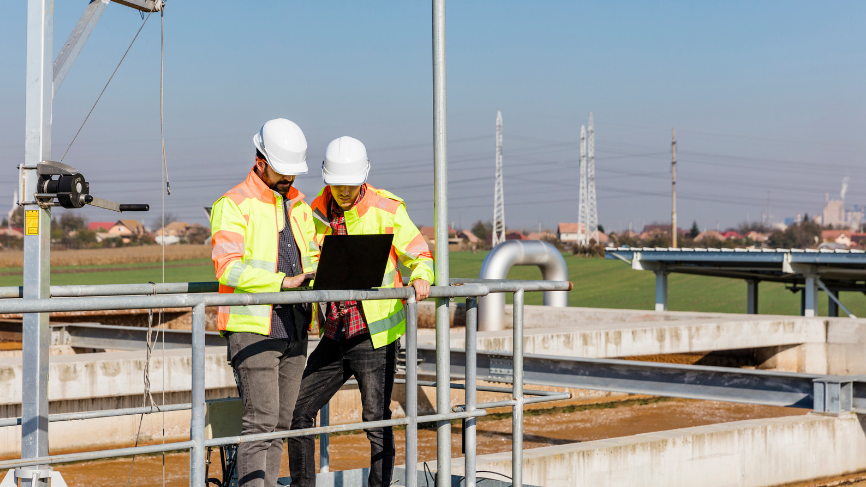

Victoria bets on 2,000 SEC apprentices as the electrician shortage bites
Victoria has put electrical training at the centre of its energy plans, committing to hire and train a new generation of apprentices through its government-owned electricity body. For an industry facing a widening shortage of electricians, the move is a signal of how seriously the workforce gap is now being taken.
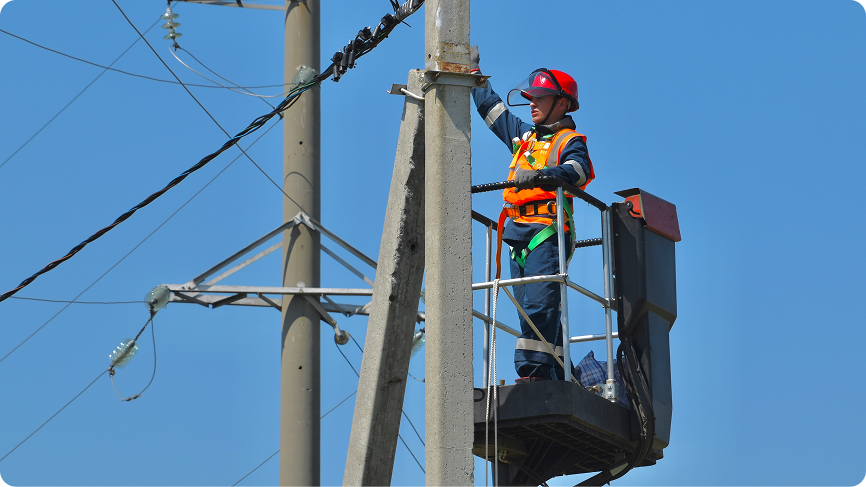
A training ground, revived
At Labor’s state conference in May 2026, Premier Jacinta Allan announced that the revived State Electricity Commission would directly employ electrical apprentices for the first time since the body was privatised three decades ago. The SEC, returned to public hands in 2023, is being positioned not only as an energy provider but as a training ground, echoing the role it once played in building trade careers across regional and metropolitan Victoria.
Inside the plan
Under the $50 million commitment, the SEC would offer 2,000 electrical apprenticeships over four years, with the first intake starting in January 2027. Training would run across two facilities, one in Melbourne and one in regional Victoria. Rather than leaving apprentices to find their own host employers, the SEC would place them on its own projects or send them to private work such as windfarms and data centres, giving them structured experience across the sector.
Why the shortage matters
The announcement lands against a national decline in apprenticeship numbers, even as demand for electricians climbs with the clean energy transition. Jobs and Skills Australia projects a shortfall of up to 42,000 electricians by 2030, driven in part by students being steered toward university, unclear returns for employers who take on apprentices, and too few qualified trainers. Electricians sit at the centre of the grid upgrades, renewable projects and electrification work now underway.
Training is a long lead time
A four-year apprenticeship is a long-term answer to an immediate problem. The projects drawing on electrical trades are being built now, and the workers coming through the SEC academy will not be qualified until the end of the decade. Public training programs help rebuild the pipeline, yet they do not resolve the shortage employers face in the current cycle.
Where Infrastructure People fits
Programs like this rebuild the long-term supply of trades, and that is welcome. In the meantime, energy and infrastructure employers still need to plan and resource against a tight market. Infrastructure People works with clients on workforce planning and pipelining, mapping the roles a project will need, when it will need them, and how to secure them well ahead of mobilisation, so that a future pipeline of apprentices and today’s resourcing pressures are managed together rather than in isolation.
“Apprenticeships are part of the long-term solution. The immediate challenge is delivering today’s projects with today’s workforce, which makes planning capability early critical.”
– Daniel Newman, Principal Consultant